
Freshman year, I walked into my university's outdoor club meeting, and walked right back out.
Clearly, it wasn't for me. Despite growing up hiking and camping on my great-grandparents' 120 acre parcel of woods in rural Massachusetts, packing the family car for National Park road trips, and even plunging through whitewater on rafts in Maine, the message was that I was not qualified to join the outdoor club.
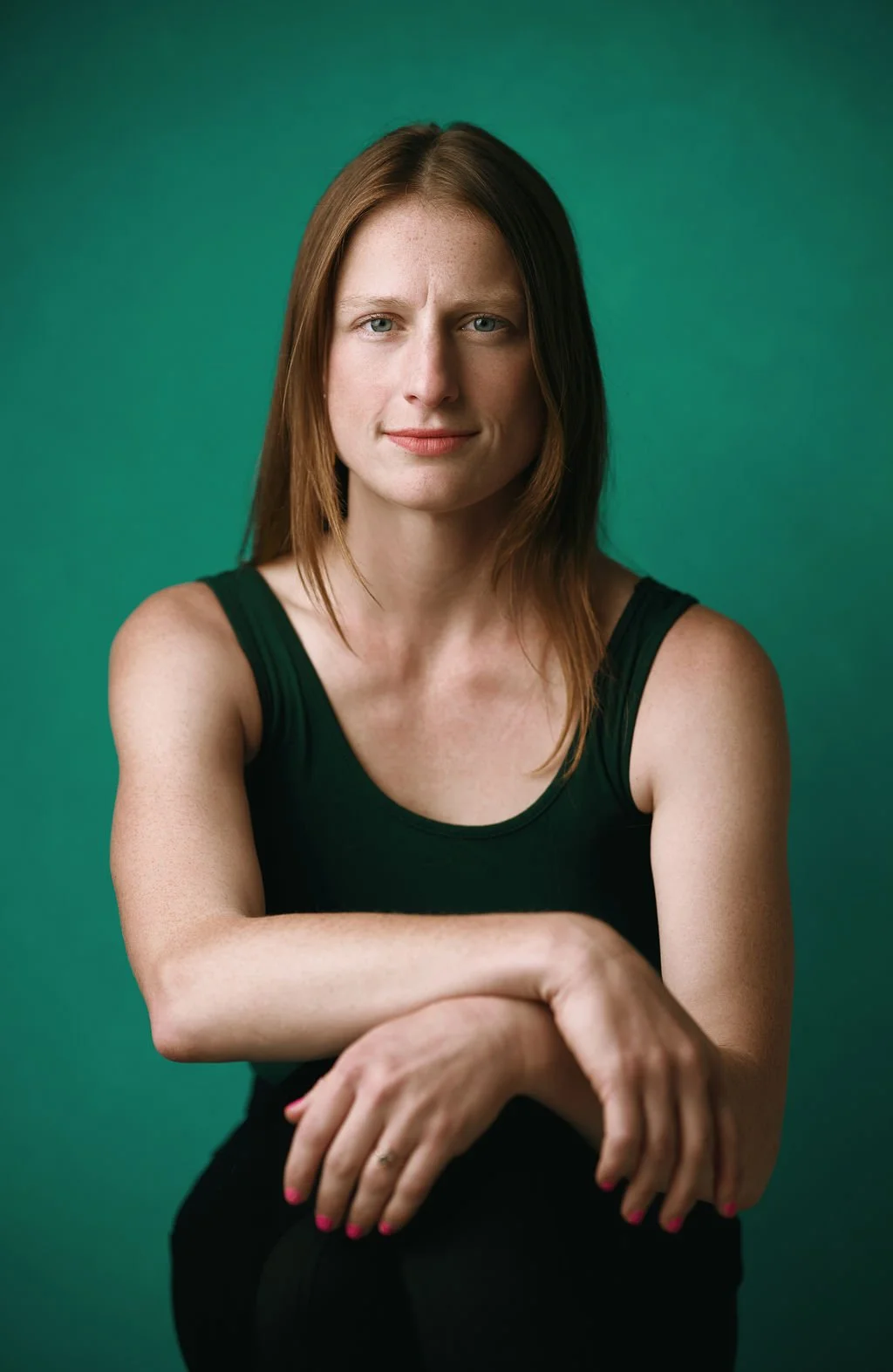
The club was for hardcore, backcountry-living boys. It was for backpackers, not day hikers, and for backcountry skiers, not newbies falling over in the lift line. It was about conquering mountains, peak bagging, dominating, summiting at all costs. They used their own secret language and rituals, and I could tell immediately they wouldn't want to initiate a girl like me.
So for years, I worked in what I thought was "Adventure Lite." I introduced children to crawdads and tree forts at day camp, then did admin for the National Park Service, but spent hours longing for deeper adventure, getting off-the-grid, being so far away from a computer or subway system that I'd forget they existed.
A tough Boston winter led me to an impulsive move to Moab, Utah to become a whitewater raft guide for people with disabilities. Everything I thought I knew about adventure changed. I heard the whoops of people in wheelchairs as we rowed them through class IV whitewater because nobody else would. I saw the tearful gratitude of folks who'd had strokes or terminal diagnoses as I led them into slot canyons and redrock caverns. I created spaces for veterans where they could better cope with PTSD and find new perspectives.
Millions of people are unable to access adventure simply because they don't see themselves in media – and that's exactly who we need to reach.

After helping thousands of people access adventure, and hundreds more craft and share their adventure stories, I still carry the pressure to look like a badass outdoorswoman, to go faster and stronger, to make it "count." I still compare myself to others on a podium, setting an FKT, or on a 3-month long expedition.
But then I catch myself and remember the stories I've collected over the years. Adventure is a mindset. A guide in Nepal told me that a peak under 19,000' is just a hill, not a mountain. People think I'm bonkers for running a 100 miler, but I scream-cry trying to paddle my kayak while my partner can casually huck off a waterfall while taking a sip of coffee. Every human deserves a relationship with adventure, and every story is worthy.
The work I do now lives in these realms:
Brand campaigns + communications
I work with outdoor and sports businesses and nonprofits to craft compelling campaign narratives, stand-out messaging, and community engagement. We can launch and engage an ambassador program, create a branded podcast, or host an event or activation.
Athlete storytelling strategy
I host live, immersive storytelling intensives for brand athlete and ambassador teams. We get clear on your campaign narrative, then empower your team to share their personal stories while amplifying your brand values so that customers stop their scroll.
Consulting, talks + media
As the director of the first all-women's ultramarathon in the US, host of the See Her Outside Podcast, and consultant on women's inclusion, I create custom experiences and content for aligned brands and nonprofits.
Athletes think sharing the most epic, hardcore adventure story will draw more people to the sport.
But in my 15 years in the outdoor industry, I've found it's the bloody, sweaty, scary truth we all want to hear instead – the stories many athletes are taught to hide.
The stories that shape outdoor sports culture aren't the summit selfies and highlight reels.
They're the struggles, the pain, the moments that make the everyday athlete think, "so it's not just me."
When an athlete needs to publish a post tagging their sponsor, too often it sounds like "This was hard, I believed in myself, buy these shoes." Nothing about how that time in nature changed them, the emotions that surprised them, or why they personally resonate with that specific brand's values.
I learned this the hard way.
The first few times I wrote blog posts for adventure brands, I stuck to the sanitized, surface-level stories. "Here's what happened, here's how the product fits in, go crush it." The content was fine, and mirrored what others were publishing. But it didn't offer a new perspective on sports culture and how athlete media can help new communities access the sport. It wasn't revolutionary for myself, the brands, or their customers.
Once I started working with more brands and athletes, I saw the same struggle. Athletes would get minimal guidance in how to share stories to elevate their sponsor. Brands were too busy with launches, budgets, and two bazillion emails to craft a compelling message that would start a conversation in the industry.
The work I do now builds that bridge, a message that neither AI nor a marketing class can create. It's storytelling for advocacy, campaigns for access, and voice for a revolution.
And for the adventure nerds who wanna know:
I've spent fifteen years (and counting!) in the outdoor industry across a wild amount of roles: Outdoor curriculum writer and event planner, river guide, race director, ambassador community director, wilderness medicine instructor, menstrual cycle educator for outdoorsy people (true story), ultrarunning scholarship creator, podcast host, search + rescue member… and I pull from my trainings of Wilderness First Responder, Swiftwater Rescue Technician, and AIARE 1 (can you tell I still guide occasionally?).
I've rafted 21 days through the Grand Canyon, stood atop Mount Rainier, and trekked to Everest Base Camp. Past partners include the National Park Service, Girl Scouts, The Mountaineers, The Alliance for Gender Equity in Outdoor Adventure, and more. I've been on both sides of this industry: building culture in the space and being the token woman wondering if she even belongs in it.

What you should know about how I work:
- I will speak up for your community.In a world of budgets and overpacked calendars, it's easy to forget about the people you're trying to connect with. I'll bring the intention back when needed.
- I think FUN is extremely important.We should be able to laugh and experiment together in our work. How we spend our days is how we spend our lives, after all. Send me that funny outdoor meme you saw. I'll send one back.
- I support weird working hours and don't need you to be formal.Outdoor enthusiasts have to be opportunistic. If you need to shift the schedule or ignore my email for an extra day because the powder's good or the wind is high, I understand.
- I 100% believe the best ideas come from human experiences.There may very well be excellent use cases for AI in your work. But crafting the story and ideating the strategy will start in our own brains.
If you think I'm somebody you'd go for a hike with, here's a choose your own adventure action:
Subscribe to my free weekly newsletter, BLOOD, SWEAT + FEAR. It's where I share stories, lessons, and ideas to make the outdoors more accessible to underserved communities.
If you're here because you want to work with me, my books are currently open for campaigns, storytelling intensives, and consulting.


